ELASTIC NETTING
 AUTOMATION
 BONE PROTECTION
Integrating a Meat Pressing Machine: A Guide to High-Speed Automation
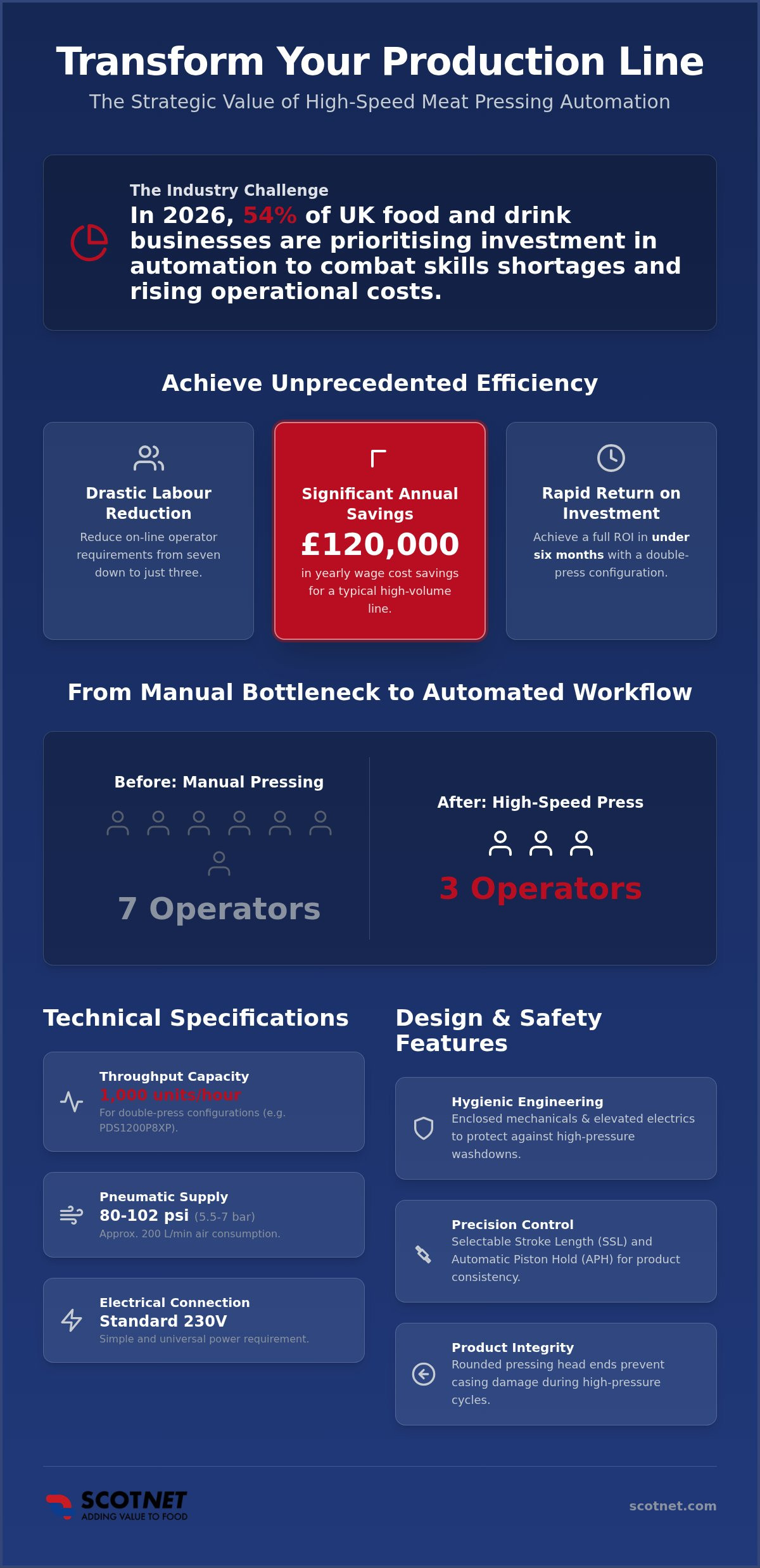
In 2026, 54% of UK food and drink businesses are prioritising automation investment to tackle persistent skills shortages and rising operational costs. For high-volume manufacturers, manual processing remains a major bottleneck that drives up labour costs and undermines product consistency. You likely recognise that manual processes lead to variations in joint shape. This article shows how integrating a high-speed meat pressing machine can transform your facility's efficiency. We'll explore how advanced pneumatic systems let you double throughput with fewer operators and achieve full ROI in under six months.
Key Takeaways
- Evaluate production throughput to compare the Scotnet double-press configuration against older-style single presses, like the Meta-Press or Euro-Press.
- Ensure long-term reliability and hygiene compliance by selecting equipment with enclosed mechanical designs and electrical systems positioned in locked cabinets.
- Reduce labour by replacing manual processes with high-speed processes, cutting operator requirements.
- Maximise product yield and consistency by utilising precision machinery.
How to Integrate a Meat Pressing Machine into a High-Volume Production Line
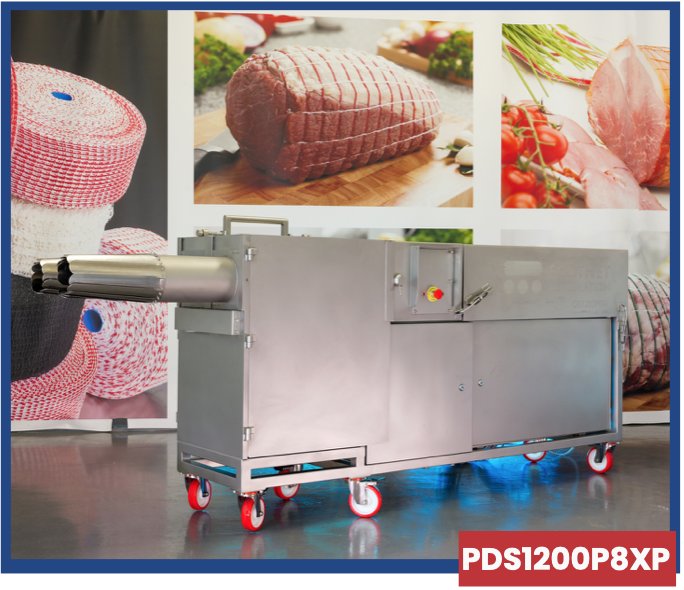
Successful integration begins with a precise evaluation of throughput requirements. High-volume facilities must determine if a single-press or double-press configuration is necessary to match upstream output. For instance, the DS1200P8XP delivers a 1,000-unit-per-hour capacity.
Facility managers should assess floor space and ergonomic flow during the planning phase. Loading zones must be positioned to reduce physical strain on operators, ensuring that the meat pressing machine is accessible without compromising safety or movement.
Step-by-Step Alignment of Pressing and Netting Stages
Implementation is streamlined when the press features are used to their capacity. Operators use an intuitive HMI interface to select the features needed for different product types. Several features, when combined, make our machinery the best option, including drilled vented pistons, bulkhead rings, different casing tube options, and more.
Hygienic Engineering and Enclosed Mechanical Design
The PDS1200P8XP's underside design is engineered specifically for washdown environments. By elevating critical components, it eliminates the "dirt traps" common in legacy machinery. Maintenance is simplified through tool-free access points. This lets staff perform routine checks without an on-site engineer, significantly reducing operational downtime. For facilities looking to further enhance yield, pairing these machines with high-quality performance-netting ensures the product maintains its compressed shape throughout the cooking or curing process. Explore our full range of industrial netting solutions to complement your automated line.
Strategic Value: Achieving ROI Through Labour Reduction
Manual pressing lines typically require more operators to achieve the baseline output of 1000 joints per hour. In contrast, integrating a high-speed double-press meat pressing machine reduces this requirement to just two or three operators. For a production line operating at 1,000 units per hour, this shift generates annual savings of approximately £120,000 in wage costs. These figures support a rapid return on investment; a modern meat pressing machine typically achieves full ROI in under six months for double-press configurations.
Comparative Operator Efficiency: Single vs. Double Pressing
A double-press configuration delivers twice the output of a single-press unit by utilising simultaneous compression cycles. This design allows a facility to meet high-volume demands without increasing the machinery's physical footprint.
Maximise your plant's efficiency with Scotnet's PDS1200P8XP Double Press to secure these operational advantages. Modernising your facility ensures long-term stability and technical excellence.
Frequently Asked Questions
What is the typical ROI for an automated meat pressing machine?
A double-press meat pressing machine typically achieves full ROI in under six months. This rapid timeline is driven by documented annual savings of £120,000 compared to manual processing lines. These financial gains result from significant labour reduction and increased throughput across high-volume production schedules.
Can a meat pressing machine handle different tube sizes?
Standard industrial pressing units accommodate tube sizes from 75mm to 200mm to support diverse product SKUs. For larger requirements, extended-head models are available that increase this capability to 250mm. This versatility lets facilities process a wide variety of meat joints without needing multiple machines or extensive reconfigurations during product changeovers.
What are the pneumatic and electrical requirements for industrial pressing equipment?
Industrial equipment generally operates on a 230V, single-phase electrical supply and requires 5A. Pneumatic specifications call for a pressure range of 80-102 psi (5.5-7 bar), with air consumption for a double-press system averaging approximately 200 L/min. Ensuring your facility meets these precise technical standards is essential for maintaining the 1,000 units per hour production capacity.
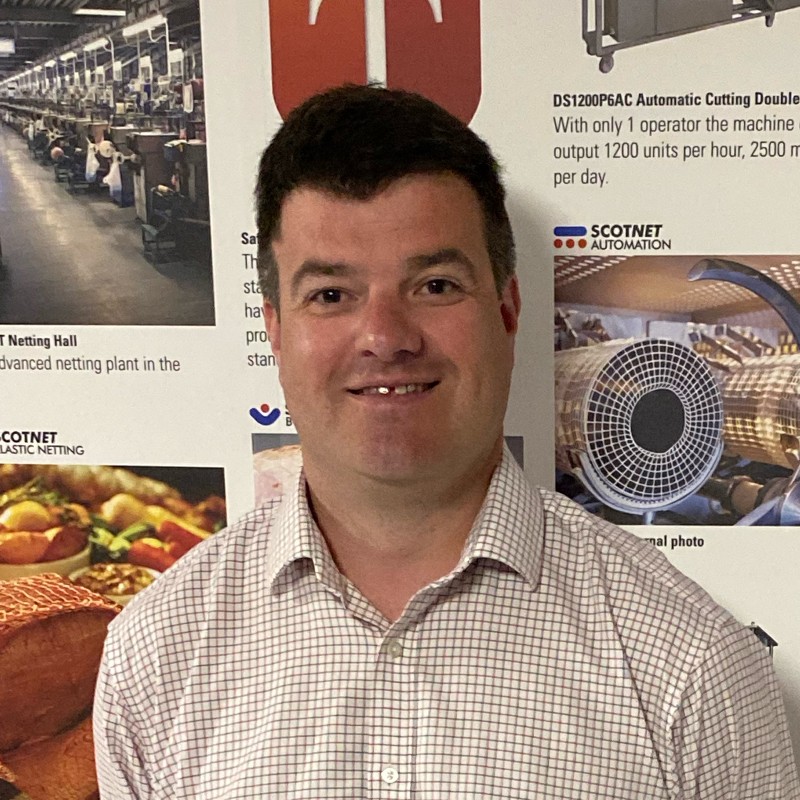
Article by
Gordon Wicklow
Gordon Wicklow is Managing Director of the Scobie & Junor Group, a family-owned Scottish business that has served the food and meat-processing industry for more than a century. A graduate of the University of St Andrews, Gordon has been a director of Scobie & Junor since 1998.
He leads the Group’s work across the UK and Ireland, helping food manufacturers add value through innovative ingredients, specialist packaging, elastic meat netting and automated processing machinery. Drawing on extensive industry experience and technical knowledge, Gordon champions practical innovation, operational efficiency and close customer collaboration—from developing new flavours and formulations to improving production yields, presentation and consistency.
Under his leadership, Scobie & Junor continues to combine more than 100 years of experience with modern manufacturing, new-product development and market insight, providing food processors and butchers with solutions designed for today’s evolving consumer and production demands.